


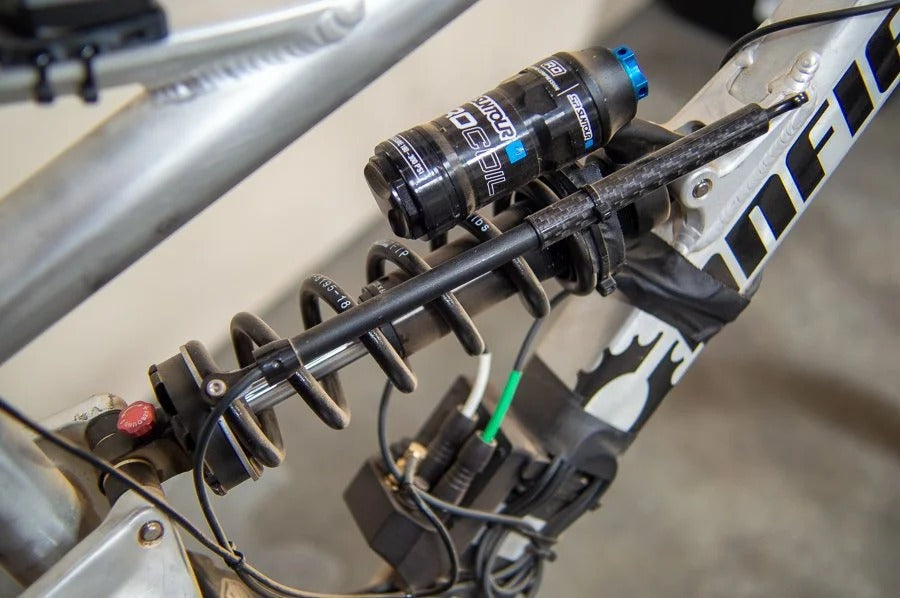

Stock suspension settings often don’t match your riding needs, leading to wasted energy.
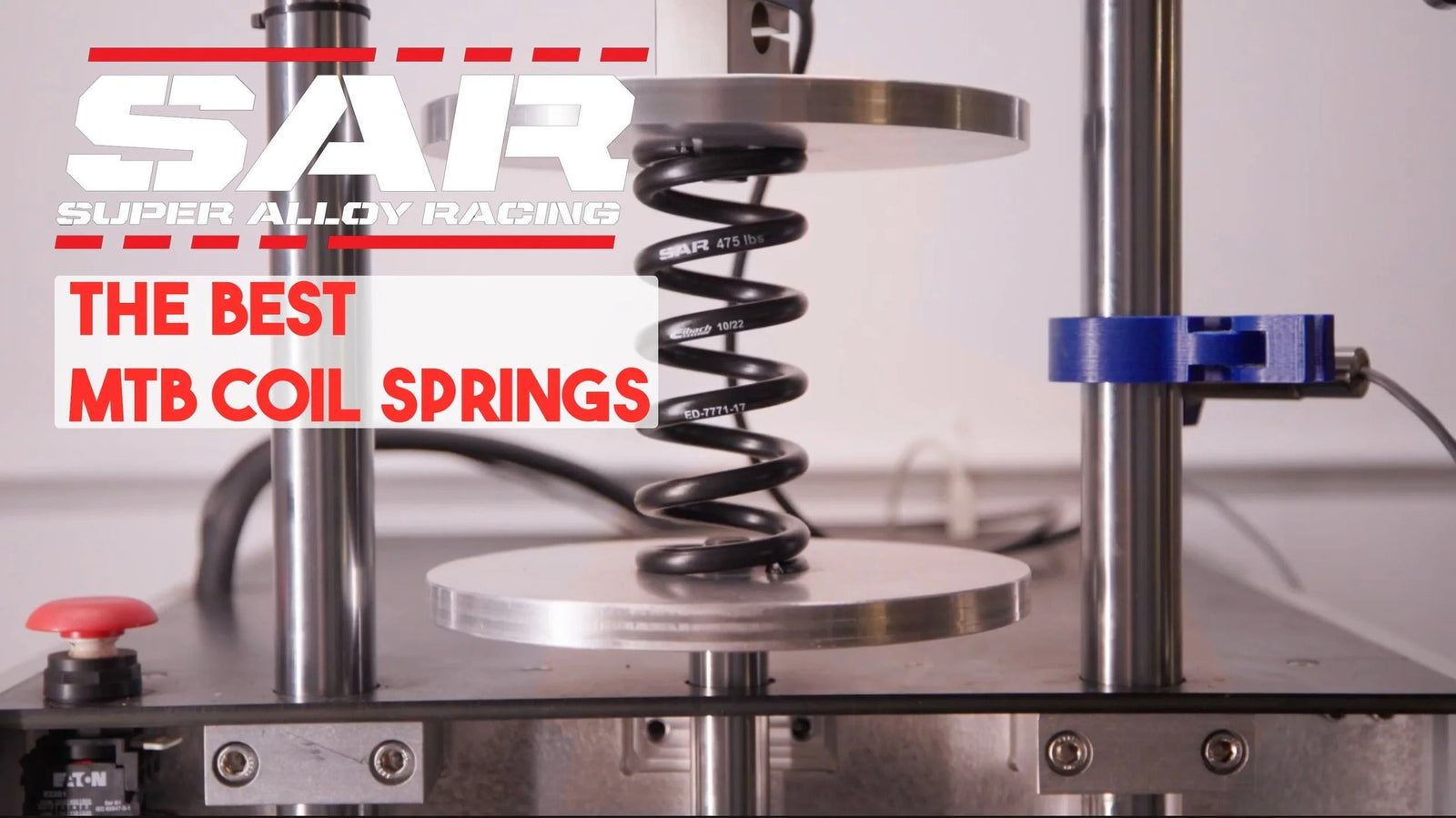

There are quite a few things that make SAR springs unique, including the POM Bearing, universal fitment, accuracy, light weight, and the ultra-durable KTL coating.
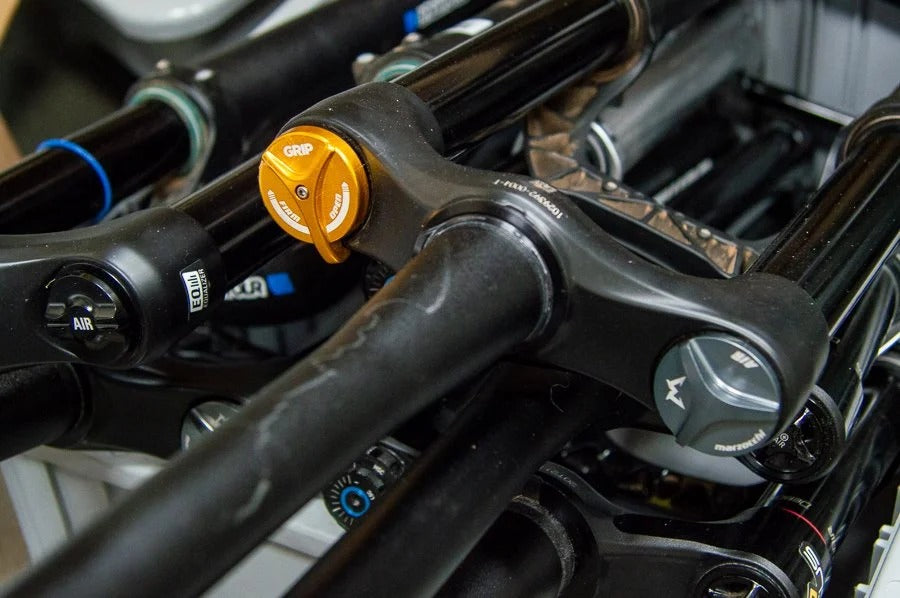

What's the difference between High-Speed Compression and Low-Speed Compression? Many suspension components have both High-Speed Compression (HSC) and Low-Speed Compression (LSC) adjusters, as well as High-Speed Rebound (HSR) and Low-Speed Rebound (LSR).


Have you ever felt like your mountain bike suspension set up wasn’t quite right, but didn’t know how to correctly address the issue? Luckily, the team here at Fluid Focus has been living and breathing suspension tech, service and custom tuning for over a decade and are here to help you with the most common complaints of MTB suspension.
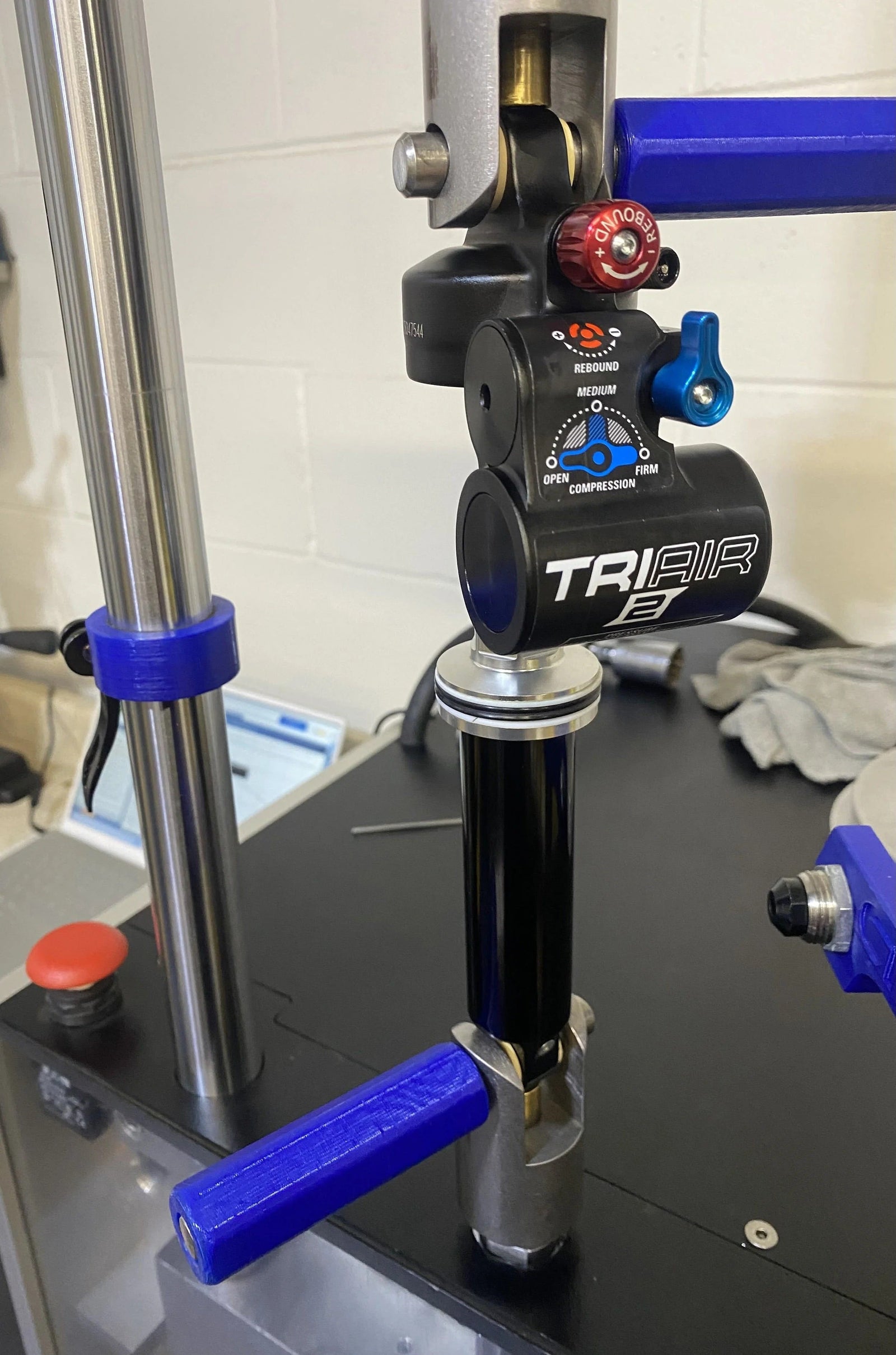

Custom tuned mountain bike suspension is the process of fine-tuning stock OEM suspension components (fork and shock) of a mountain bike to suit the specific needs and preferences of the rider.


There is a lot happening on the inside of your mountain bikes suspension. To ensure an optimal ride regularly servicing your mountain bike suspension is very important. In the video below Ryan talks about “seal drag” as well as the importance of regular maintenance.
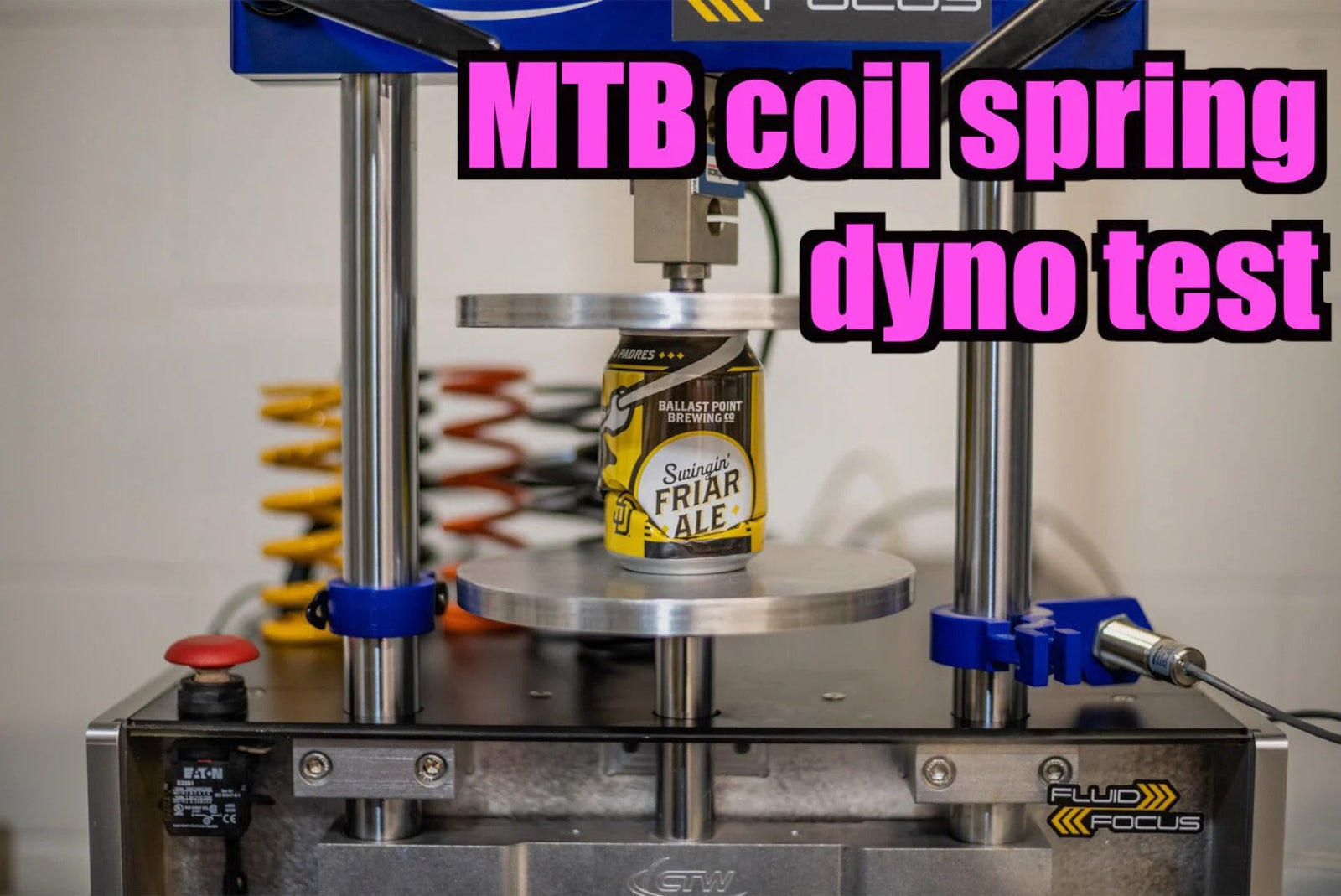

Spring rate is how you pick the correct spring for rider weight. Having a spring that “rates” as close as possible to the listed spring rate is very important to ensure proper tuning of your mountain bike suspension.


Setting sag is Step one in setting up your mountain bikes suspension for your body weight. It is also one of the easiest things you can do to improve performance on your bike.